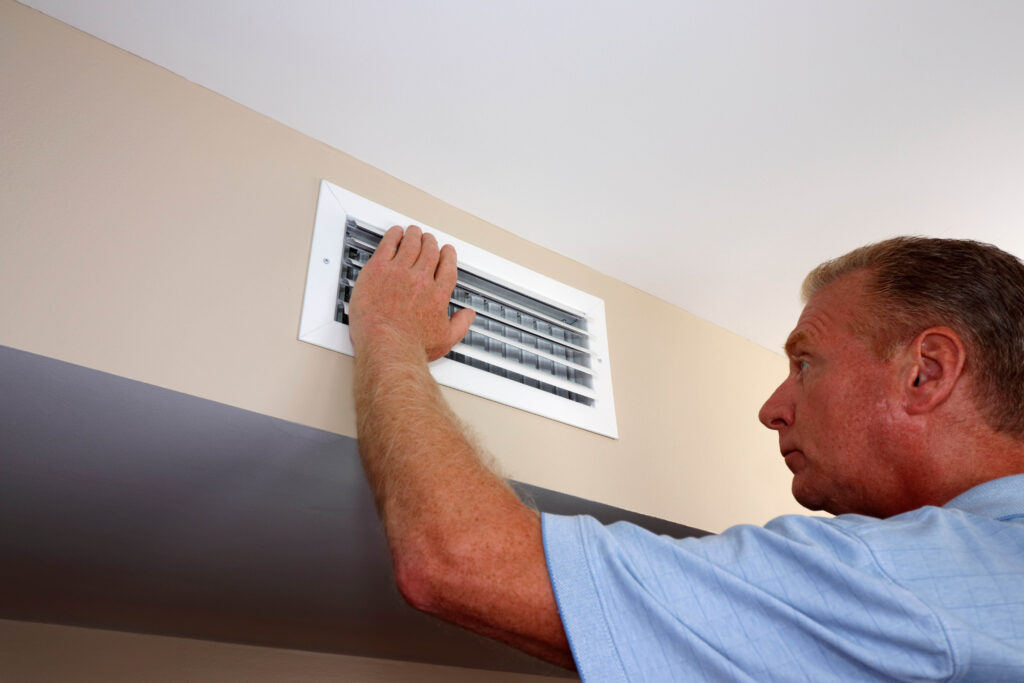
Indoor air quality (IAQ) solutions are comprehensive strategies aimed at ensuring clean, healthy air in residential, commercial, and industrial buildings. These solutions address various factors, including airborne contaminants, humidity levels, ventilation, and temperature control. IAQ solutions involve installing air purification systems, such as HEPA filters, UV-C germicidal lamps, and ionizers, to remove pollutants, allergens, and pathogens from the air.
Humidifiers and dehumidifiers are used to regulate indoor humidity levels, preventing mold growth and enhancing comfort. Proper ventilation systems, including exhaust fans and fresh air intakes, ensure the circulation of fresh outdoor air while expelling stale indoor air. Regular maintenance of HVAC equipment and ductwork prevents the buildup of contaminants that can compromise IAQ.
Implementing IAQ solutions improves respiratory health, comfort, and overall well-being, creating a healthier and more productive indoor environment. These solutions are essential for maintaining high air quality standards and ensuring the safety and comfort of building occupants.
Ensuring optimal indoor air quality (IAQ) is crucial for maintaining a healthy and comfortable environment in any building. HVAC IAQ solutions involve several key service milestones to address and improve air quality. Starting with a comprehensive assessment and air quality testing, these solutions then move to customized system design and planning. The process includes installing advanced air purification systems, enhancing ventilation, and controlling humidity levels. Regular performance monitoring and ongoing evaluation ensure the continued effectiveness of these solutions, adapting to changing conditions and maintaining high air quality standards. Below is an overview of the major service milestones involved in HVAC IAQ solutions.
Major Service Benchmarks of HVAC Indoor Air Quality (IAQ) Solutions
Initial Assessment and Air Quality Testing: This first step involves conducting a comprehensive assessment of the indoor air quality (IAQ) within the building. Technicians use advanced air quality monitors to measure levels of pollutants such as particulate matter, volatile organic compounds (VOCs), and carbon dioxide.
System Design and Planning: Based on the assessment, a customized plan is developed to address identified air quality issues. This plan includes the selection and placement of air purification systems, ventilation enhancements, and humidity control measures.
Installation of Air Purification Systems: Installing systems such as HEPA filters, UV-C germicidal lamps, and ionizers to remove pollutants, allergens, and pathogens from the air. These systems are integrated into the existing HVAC framework.
Ventilation Improvements: Enhancing ventilation by installing or upgrading exhaust fans, fresh air intakes, and air handling units to ensure proper circulation of outdoor air and expulsion of stale indoor air.
Humidity Control: Using humidifiers and dehumidifiers to maintain optimal humidity levels, preventing mold growth and improving overall comfort.
Performance Monitoring and Maintenance: Regularly monitoring air quality and maintaining HVAC equipment to ensure continued effectiveness. This includes cleaning and replacing filters, checking system performance, and making necessary adjustments.
Ongoing Evaluation and Adjustments: Continuously evaluating the system’s performance and making adjustments as needed to adapt to changing conditions and maintain high air quality standards.
Maintaining excellent indoor air quality (IAQ) is essential for the health and comfort of building occupants. HVAC IAQ solutions encompass a range of services designed to identify and mitigate air quality issues. These services include comprehensive air quality testing, custom system design, and the installation of advanced air purification systems. Enhancing ventilation, controlling humidity, and conducting regular maintenance are also critical components. Continuous monitoring ensures that the IAQ remains optimal, adapting to changing conditions. Below is an overview of the key services involved in HVAC IAQ solutions.
Services in HVAC Indoor Air Quality (IAQ) Solutions
Air Quality Testing: Assessing the levels of various pollutants and identifying sources of contamination.
Custom System Design: Developing tailored solutions based on the specific needs of the building and its occupants.
Air Purification: Installing systems such as HEPA filters, UV-C lamps, and ionizers.
Ventilation Enhancements: Improving ventilation to ensure proper airflow and expulsion of contaminants.
Humidity Control: Using humidifiers and dehumidifiers to maintain optimal humidity levels.
Regular Maintenance: Conducting routine checks and maintenance to ensure system efficiency.
Continuous Monitoring: Using sensors and monitoring tools to keep track of air quality and system performance.
Common pollutants include particulate matter, VOCs, carbon dioxide, mold spores, and allergens.
How often should air quality be tested?
It’s recommended to test air quality at least once a year, with more frequent tests if there are known issues or significant changes in occupancy or building use.
What are the benefits of using HEPA filters?
HEPA filters can capture up to 99.97% of airborne particles, significantly reducing allergens, dust, and other contaminants.
How do UV-C germicidal lamps work?
UV-C lamps use ultraviolet light to kill or inactivate microorganisms like bacteria, viruses, and mold spores, improving air quality.
What is the ideal indoor humidity level?
The ideal humidity level is between 30-50% to prevent mold growth and maintain comfort.
Can improving IAQ reduce energy costs?
Yes, better IAQ can enhance HVAC system efficiency, potentially lowering energy costs by reducing the load on the system.
How can I tell if my indoor air quality is poor?
Signs of poor IAQ include persistent odors, increased allergy or asthma symptoms, visible mold, and high humidity levels.
Request a Custom Indoor Air Quality Quote
Ensure a healthier and more comfortable indoor environment. Contact us today for a personalized quote on our comprehensive indoor air quality solution services!
Testing indoor air quality in Kingman, AZ, involves using air quality monitors to measure pollutants like VOCs, mold spores, and particulate matter. You can also hire professionals for comprehensive assessments to ensure a healthy living environment.
What is the best air purification system for Kingman AZ homes?
The best air purification system for Kingman AZ homes is one that effectively addresses the region's unique air quality challenges, such as dust and allergens. HEPA filters combined with UV light technology are highly recommended for optimal results.
What are the benefits of air purification in Kingman AZ?
The benefits of air purification in Kingman, AZ, include improved indoor air quality by reducing allergens, dust, and pollutants, leading to healthier living environments. This is particularly important in areas with high dust levels, enhancing overall well-being.
How often should air purifiers be replaced in Kingman AZ homes?
Air purifiers in Kingman, AZ homes should typically be replaced every 6 to 12 months, depending on usage and the specific model. Regular maintenance ensures optimal air quality and system efficiency in the dry desert climate.
What is indoor air quality testing in Kingman AZ?
Indoor air quality testing in Kingman, AZ, involves evaluating the levels of pollutants and allergens in indoor environments to ensure a safe and healthy atmosphere. This testing identifies issues that may affect health and comfort, guiding necessary improvements.
How do air purifiers combat Kingmans high pollen counts?
Air purifiers combat Kingman’s high pollen counts by filtering out airborne pollen particles, effectively reducing their concentration indoors. This helps improve indoor air quality and alleviates allergy symptoms for residents during peak pollen seasons.
What affects indoor air quality in Kingman AZ homes?
The factors affecting indoor air quality in Kingman, AZ homes include outdoor pollutants, dust and allergens, humidity levels, and the presence of volatile organic compounds (VOCs) from household products. Proper ventilation and air purification can help mitigate these issues.
Can air purification reduce allergy symptoms in Kingman residents?
Air purification can significantly reduce allergy symptoms in Kingman residents. By removing allergens such as dust, pollen, and pet dander from the air, effective air purification systems create a healthier indoor environment, alleviating discomfort for allergy sufferers.
How to improve indoor air quality in Kingman AZ?
Improving indoor air quality in Kingman, AZ, involves regular HVAC maintenance, using air purifiers, controlling humidity levels, and ensuring proper ventilation to reduce pollutants and allergens in your home or business.
How does air purification improve indoor air quality in Kingman?
Air purification significantly enhances indoor air quality in Kingman by removing pollutants such as dust, allergens, and harmful microorganisms. This leads to a healthier living environment, reducing respiratory issues and promoting overall well-being for residents.
How to reduce indoor air pollution in Kingman AZ homes?
Reducing indoor air pollution in Kingman, AZ homes involves regular ventilation, using air purifiers, maintaining humidity levels, and minimizing the use of volatile organic compounds (VOCs). Regular cleaning and using non-toxic materials also contribute to healthier indoor air quality.
What are the top-rated air purification systems in Kingman?
The top-rated air purification systems in Kingman include HEPA filters, activated carbon purifiers, and UV-C light systems, known for their effectiveness in removing pollutants and improving indoor air quality.
Who provides indoor air quality testing in Kingman AZ?
Indoor air quality testing in Kingman, AZ, is provided by Kramer’s Air Conditioning, LLC. Our team specializes in assessing and improving indoor air quality for residential and commercial spaces.
What are the effects of poor indoor air quality in Kingman AZ?
The effects of poor indoor air quality in Kingman, AZ, can lead to respiratory issues, allergies, and decreased overall health. Additionally, it can exacerbate existing conditions, negatively impacting comfort and productivity in homes and workplaces.
What are common indoor air pollutants in Kingman AZ?
Common indoor air pollutants in Kingman, AZ, include dust, mold, pet dander, volatile organic compounds (VOCs) from household products, and pollen. These pollutants can affect indoor air quality and overall health, making effective management essential.
Do air purifiers really work in Kingmans dry climate?
Air purifiers are effective even in Kingman's dry climate. They help remove airborne pollutants and allergens, improving indoor air quality regardless of humidity levels. Investing in a quality air purifier can significantly enhance your home's air freshness and health.
Can air purification eliminate pet dander in Kingman homes?
Air purification can significantly reduce pet dander in Kingman homes. While it may not completely eliminate it, effective air purifiers can capture and filter out pet allergens, improving overall indoor air quality.
Can indoor air quality affect health in Kingman AZ?
Indoor air quality can significantly affect health in Kingman, AZ. Poor air quality can lead to respiratory issues, allergies, and other health problems, making it essential to maintain a clean and healthy indoor environment.
What indoor air quality tests are available?
Indoor air quality tests available include assessments for particulate matter, volatile organic compounds (VOCs), carbon dioxide levels, humidity, and mold presence. These tests help identify pollutants and ensure a healthier indoor environment.
How can I choose an air purifier?
Choosing an air purifier involves considering factors such as the size of the space, the type of pollutants you want to target, and the purifier's filtration system. Look for models with HEPA filters for effective allergen removal and check the Clean Air Delivery Rate (CADR) for efficiency.
What pollutants are common in Kingman homes?
Common pollutants in Kingman homes include dust, pollen, pet dander, mold spores, and volatile organic compounds (VOCs) from household products. These contaminants can significantly impact indoor air quality and overall health.
How does humidity affect indoor air quality?
Humidity significantly impacts indoor air quality by influencing the growth of mold, dust mites, and other allergens. High humidity can lead to discomfort and respiratory issues, while low humidity may cause dry skin and irritation. Maintaining balanced humidity levels is essential for a healthy indoor environment.
What maintenance is needed for air purifiers?
The maintenance needed for air purifiers includes regularly replacing or cleaning filters, checking for blockages, and ensuring the unit is free from dust and debris to maintain optimal performance.
Are there eco-friendly air purification options?
Eco-friendly air purification options are available and include systems that utilize natural filtration methods, such as HEPA filters, activated carbon, and UV light, which effectively reduce indoor pollutants without harmful chemicals.
How do I know if my air quality is poor?
Indicators that your air quality may be poor include persistent odors, increased allergy symptoms, visible dust accumulation, and respiratory issues. Monitoring these signs can help you assess the health of your indoor air.
What is the cost of air quality testing?
The cost of air quality testing varies based on factors such as the size of the space and the specific tests required. Generally, prices range from $200 to $600, depending on the complexity of the assessment.
How can ventilation improve indoor air quality?
Ventilation improves indoor air quality by facilitating the exchange of stale indoor air with fresh outdoor air, reducing pollutants, allergens, and moisture levels, which helps create a healthier living or working environment.
What features should I look for in air purifiers?
The features to look for in air purifiers include HEPA filtration for capturing fine particles, activated carbon filters for odor removal, appropriate room size coverage, noise levels, and energy efficiency ratings to ensure effective and quiet operation.
How does air purification impact respiratory health?
Air purification significantly impacts respiratory health by removing airborne pollutants, allergens, and pathogens. This leads to cleaner indoor air, reducing the risk of respiratory issues and improving overall lung function and well-being.
What are the signs of poor indoor air quality?
The signs of poor indoor air quality include persistent odors, increased allergy symptoms, excessive dust buildup, and visible mold growth. These indicators can negatively affect health and comfort in your living or working environment.
iaq services, optimal indoor air quality solutions, indoor air quality kingman az, air purification kingman az, indoor air quality testing in kingman ks
Testing indoor air quality in Kingman, AZ, involves using air quality monitors to measure pollutants like VOCs, mold spores, and particulate matter. You can also hire professionals for comprehensive assessments to ensure a healthy living environment.
What is the best air purification system for Kingman AZ homes?
The best air purification system for Kingman AZ homes is one that effectively addresses the region's unique air quality challenges, such as dust and allergens. HEPA filters combined with UV light technology are highly recommended for optimal results.
What are the benefits of air purification in Kingman AZ?
The benefits of air purification in Kingman, AZ, include improved indoor air quality by reducing allergens, dust, and pollutants, leading to healthier living environments. This is particularly important in areas with high dust levels, enhancing overall well-being.
How often should air purifiers be replaced in Kingman AZ homes?
Air purifiers in Kingman, AZ homes should typically be replaced every 6 to 12 months, depending on usage and the specific model. Regular maintenance ensures optimal air quality and system efficiency in the dry desert climate.
What is indoor air quality testing in Kingman AZ?
Indoor air quality testing in Kingman, AZ, involves evaluating the levels of pollutants and allergens in indoor environments to ensure a safe and healthy atmosphere. This testing identifies issues that may affect health and comfort, guiding necessary improvements.
How do air purifiers combat Kingmans high pollen counts?
Air purifiers combat Kingman’s high pollen counts by filtering out airborne pollen particles, effectively reducing their concentration indoors. This helps improve indoor air quality and alleviates allergy symptoms for residents during peak pollen seasons.
What affects indoor air quality in Kingman AZ homes?
The factors affecting indoor air quality in Kingman, AZ homes include outdoor pollutants, dust and allergens, humidity levels, and the presence of volatile organic compounds (VOCs) from household products. Proper ventilation and air purification can help mitigate these issues.
Can air purification reduce allergy symptoms in Kingman residents?
Air purification can significantly reduce allergy symptoms in Kingman residents. By removing allergens such as dust, pollen, and pet dander from the air, effective air purification systems create a healthier indoor environment, alleviating discomfort for allergy sufferers.
How to improve indoor air quality in Kingman AZ?
Improving indoor air quality in Kingman, AZ, involves regular HVAC maintenance, using air purifiers, controlling humidity levels, and ensuring proper ventilation to reduce pollutants and allergens in your home or business.
How does air purification improve indoor air quality in Kingman?
Air purification significantly enhances indoor air quality in Kingman by removing pollutants such as dust, allergens, and harmful microorganisms. This leads to a healthier living environment, reducing respiratory issues and promoting overall well-being for residents.
How to reduce indoor air pollution in Kingman AZ homes?
Reducing indoor air pollution in Kingman, AZ homes involves regular ventilation, using air purifiers, maintaining humidity levels, and minimizing the use of volatile organic compounds (VOCs). Regular cleaning and using non-toxic materials also contribute to healthier indoor air quality.
What are the top-rated air purification systems in Kingman?
The top-rated air purification systems in Kingman include HEPA filters, activated carbon purifiers, and UV-C light systems, known for their effectiveness in removing pollutants and improving indoor air quality.
Who provides indoor air quality testing in Kingman AZ?
Indoor air quality testing in Kingman, AZ, is provided by Kramer’s Air Conditioning, LLC. Our team specializes in assessing and improving indoor air quality for residential and commercial spaces.
What are the effects of poor indoor air quality in Kingman AZ?
The effects of poor indoor air quality in Kingman, AZ, can lead to respiratory issues, allergies, and decreased overall health. Additionally, it can exacerbate existing conditions, negatively impacting comfort and productivity in homes and workplaces.
What are common indoor air pollutants in Kingman AZ?
Common indoor air pollutants in Kingman, AZ, include dust, mold, pet dander, volatile organic compounds (VOCs) from household products, and pollen. These pollutants can affect indoor air quality and overall health, making effective management essential.
Do air purifiers really work in Kingmans dry climate?
Air purifiers are effective even in Kingman's dry climate. They help remove airborne pollutants and allergens, improving indoor air quality regardless of humidity levels. Investing in a quality air purifier can significantly enhance your home's air freshness and health.
Can air purification eliminate pet dander in Kingman homes?
Air purification can significantly reduce pet dander in Kingman homes. While it may not completely eliminate it, effective air purifiers can capture and filter out pet allergens, improving overall indoor air quality.
Can indoor air quality affect health in Kingman AZ?
Indoor air quality can significantly affect health in Kingman, AZ. Poor air quality can lead to respiratory issues, allergies, and other health problems, making it essential to maintain a clean and healthy indoor environment.
What indoor air quality tests are available?
Indoor air quality tests available include assessments for particulate matter, volatile organic compounds (VOCs), carbon dioxide levels, humidity, and mold presence. These tests help identify pollutants and ensure a healthier indoor environment.
How can I choose an air purifier?
Choosing an air purifier involves considering factors such as the size of the space, the type of pollutants you want to target, and the purifier's filtration system. Look for models with HEPA filters for effective allergen removal and check the Clean Air Delivery Rate (CADR) for efficiency.
What pollutants are common in Kingman homes?
Common pollutants in Kingman homes include dust, pollen, pet dander, mold spores, and volatile organic compounds (VOCs) from household products. These contaminants can significantly impact indoor air quality and overall health.
How does humidity affect indoor air quality?
Humidity significantly impacts indoor air quality by influencing the growth of mold, dust mites, and other allergens. High humidity can lead to discomfort and respiratory issues, while low humidity may cause dry skin and irritation. Maintaining balanced humidity levels is essential for a healthy indoor environment.
What maintenance is needed for air purifiers?
The maintenance needed for air purifiers includes regularly replacing or cleaning filters, checking for blockages, and ensuring the unit is free from dust and debris to maintain optimal performance.
Are there eco-friendly air purification options?
Eco-friendly air purification options are available and include systems that utilize natural filtration methods, such as HEPA filters, activated carbon, and UV light, which effectively reduce indoor pollutants without harmful chemicals.
How do I know if my air quality is poor?
Indicators that your air quality may be poor include persistent odors, increased allergy symptoms, visible dust accumulation, and respiratory issues. Monitoring these signs can help you assess the health of your indoor air.
What is the cost of air quality testing?
The cost of air quality testing varies based on factors such as the size of the space and the specific tests required. Generally, prices range from $200 to $600, depending on the complexity of the assessment.
How can ventilation improve indoor air quality?
Ventilation improves indoor air quality by facilitating the exchange of stale indoor air with fresh outdoor air, reducing pollutants, allergens, and moisture levels, which helps create a healthier living or working environment.
What features should I look for in air purifiers?
The features to look for in air purifiers include HEPA filtration for capturing fine particles, activated carbon filters for odor removal, appropriate room size coverage, noise levels, and energy efficiency ratings to ensure effective and quiet operation.
How does air purification impact respiratory health?
Air purification significantly impacts respiratory health by removing airborne pollutants, allergens, and pathogens. This leads to cleaner indoor air, reducing the risk of respiratory issues and improving overall lung function and well-being.
What are the signs of poor indoor air quality?
The signs of poor indoor air quality include persistent odors, increased allergy symptoms, excessive dust buildup, and visible mold growth. These indicators can negatively affect health and comfort in your living or working environment.
iaq services, optimal indoor air quality solutions, indoor air quality kingman az, air purification kingman az, indoor air quality testing in kingman ks